
 Meet Dr. Bill Thompson
 Meet Dr. Ellie Cochran
 Meet Our Team
 NEW Pine Creek Dental Office
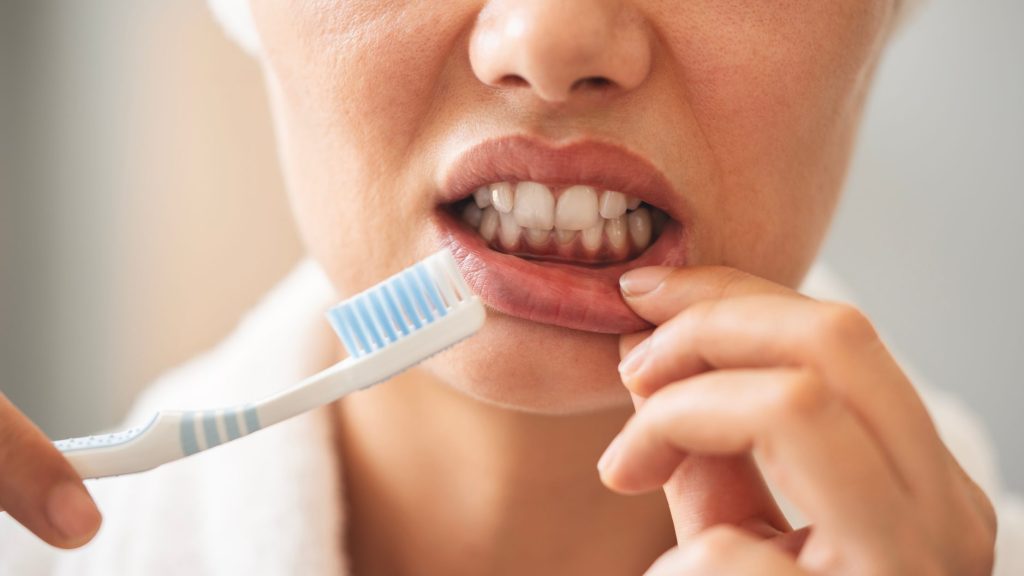
After winter, many of us in Colorado Springs are ready for a reset. We refresh routines, get back to healthier habits, and start checking off the to-do list. Your smile deserves that same attention, especially if you have bleeding gums, ongoing bad breath, or sensitive gums that seem to come out of nowhere. These common gum problems are worth addressing early.
At Pine Creek Dental, we focus on comfort, clarity, and personalized care for all ages. If your gums feel tender, look irritated, or bleed when you brush or floss, our team can help you understand the cause and what to do next. Many are surprised to learn that early gum disease can often be managed with consistent oral care and professional support.
Why healthy gums matter for oral health
Healthy gums hold your teeth in place, protect gum tissue, and keep bacteria from settling where they do not belong. When gums are inflamed, pockets can form around teeth, allowing plaque to collect. Over time, this buildup can harden, contributing to gum inflammation and recession.
Gum health is closely tied to dental health. As gum problems progress, they can increase the risk of tooth decay near the gum line, sensitivity, and even tooth loss. If tooth loss occurs, restorative options like dental implants may be explored. Protecting your gums early can make a big difference long term.
What causes bleeding gums?
Bleeding gums can result from several factors, some of which are simple to address. A common cause is plaque buildup along the gum line, especially if brushing or flossing has been inconsistent. Plaque irritates the gums, causing inflammation and bleeding during brushing.
Health and lifestyle factors can also play a role. Hormonal changes, such as pregnancy or birth control use, can make gums more reactive to plaque. Medications like blood thinners can affect clotting, leading to more bleeding even with gentle brushing. Nutrition matters too—deficiencies in vitamin K or vitamin C can impact gum tissue and healing. Underlying health conditions may also contribute, so it’s important to share any concerns with your dental team.
Are bleeding gums always a sign of gum disease?
Not always, but frequent bleeding is one of the clearest signs of gum disease. If you notice blood when brushing with soft bristles or flossing carefully, it’s a signal to pay attention. The American Dental Association advises treating bleeding as a symptom, not ignoring it, since early care protects gum health.
A one-time spot of blood after snapping floss the wrong way can happen. However, ongoing bleeding, tender gums, or irritation often point to gingivitis, a mild form of gum disease. Gingivitis can often improve with better daily habits and professional cleaning, while more advanced gum disease typically requires deeper periodontal care.
Bad breath, a bad taste, and dry mouth: overlooked gum disease clues
Bad breath can stem from various sources, including dry mouth, certain foods, or sinus issues. In dentistry, persistent bad breath or a bad taste is often linked to plaque and bacteria around inflamed gums. Irritated gum tissue creates spaces where odor-causing bacteria thrive, especially if brushing and flossing are inconsistent.
Dry mouth increases risk because saliva helps wash away food particles and neutralize acids. Without enough saliva, plaque buildup accelerates, and gums can become more inflamed. If you experience bad breath along with gum bleeding or sensitivity, it’s a good time to schedule an exam to check for early gum disease and other oral health issues.
Sensitivity and gum recession: what your gums may be telling you
Sensitivity often feels like a quick zing with cold drinks, brushing, or even breathing in chilly Colorado air. While it can be related to enamel wear, gum recession may also expose sensitive areas of the tooth. If your gum line is receding, you might notice teeth looking longer or discomfort near the edges of your teeth.
Gum recession can result from poor oral hygiene, aggressive brushing, or ongoing periodontal disease. It may also be linked to long-term inflammation and plaque buildup. Protecting your comfort starts with identifying the cause of sensitivity and tailoring your care plan accordingly.
How we check for early gum disease at Pine Creek Dental
When you visit us, our goal is to help you feel informed and at ease. We examine your gums, check for inflammation, measure areas around teeth, and evaluate signs of gum disease like bleeding, swelling, and recession. If needed, digital X-rays allow us to see below the surface comfortably and efficiently.
You’ll also have the opportunity to discuss your oral care habits, dry mouth, pregnancy, medication changes, or diet concerns like vitamin C and vitamin K intake. Understanding the full picture helps us identify the cause of your bleeding gums and recommend care that fits your needs.
Periodontal care options: gentle support for healthier gums
If your gums show signs of gingivitis or periodontal disease, we’ll explain your options clearly and at a pace that feels comfortable. Treatment can range from improved home care and more frequent visits to deeper cleaning below the gum line.
Here are periodontal services that often help patients restore gum health:
- Scaling and root planing (deep cleaning): This procedure removes plaque and tartar from below the gum line and smooths root surfaces to help gums heal and reattach more comfortably.
- Periodontal maintenance: After treatment, maintenance visits help manage plaque buildup and prevent flare-ups, especially for those with a history of gum disease.
- Professional cleaning and exams: Even mild gum inflammation can improve with consistent cleanings and guidance on better brushing and flossing techniques.
If gum disease has led to tooth loss, we can also discuss restorative solutions like dental implants. Our focus is on long-term stability and comfort so you can chew, smile, and speak with confidence.
At-home steps that support gum health between visits
Healthy gums respond well to steady, simple routines. If your gums bleed, it can be tempting to avoid flossing, but gentle consistency usually reduces inflammation over time. Use tools and techniques that protect sensitive gums and avoid irritation.
A few patient-friendly habits to consider:
- Brush twice daily with soft bristles, using small circular motions along the gum line. An electric toothbrush can help if you tend to brush too hard.
- Clean between teeth daily with dental floss, taking care not to snap it down.
- Ask us if an antibacterial mouthwash is right for you, especially if you have ongoing gum inflammation or bad breath.
- Support healing with a balanced diet that includes vitamin C and nutrient-rich foods for gum tissue. If you’re concerned about vitamin K, consult your physician.
- Stay hydrated to combat dry mouth and slow plaque buildup.
If you’ve had recent dental work, new medications, or hormone fluctuations, let us know. These factors can contribute to gum bleeding, and we can tailor recommendations to your situation.
When to schedule a visit for bleeding gums or gum problems
If you notice bleeding gums more than once, persistent bleeding, tender gums, or bad breath that doesn’t improve with good oral hygiene, it’s time to get checked. Early care can prevent advanced gum disease and reduce the risk of tooth loss. It also protects your overall oral health and supports broader wellness, as research continues to explore links between gum inflammation and health issues like heart disease.
Our team at Pine Creek Dental is proud to care for the Colorado Springs community with a calm, supportive approach. If you’re concerned about gum bleeding, sensitivity, or other gum issues, we’ll explain what we see and outline next steps clearly.
Ready to feel confident about your gum health?
If you have bleeding gums, bad breath, or sensitive gums, our team is here to help you find answers and feel comfortable along the way. Contact Pine Creek Dental to schedule an appointment today, and ask about periodontal disease treatment, scaling and root planing, or periodontal maintenance. We’ll work with you to build healthier gums and a healthier smile, one visit at a time.