
 Meet Dr. Bill Thompson
 Meet Dr. Ellie Cochran
 Meet Our Team
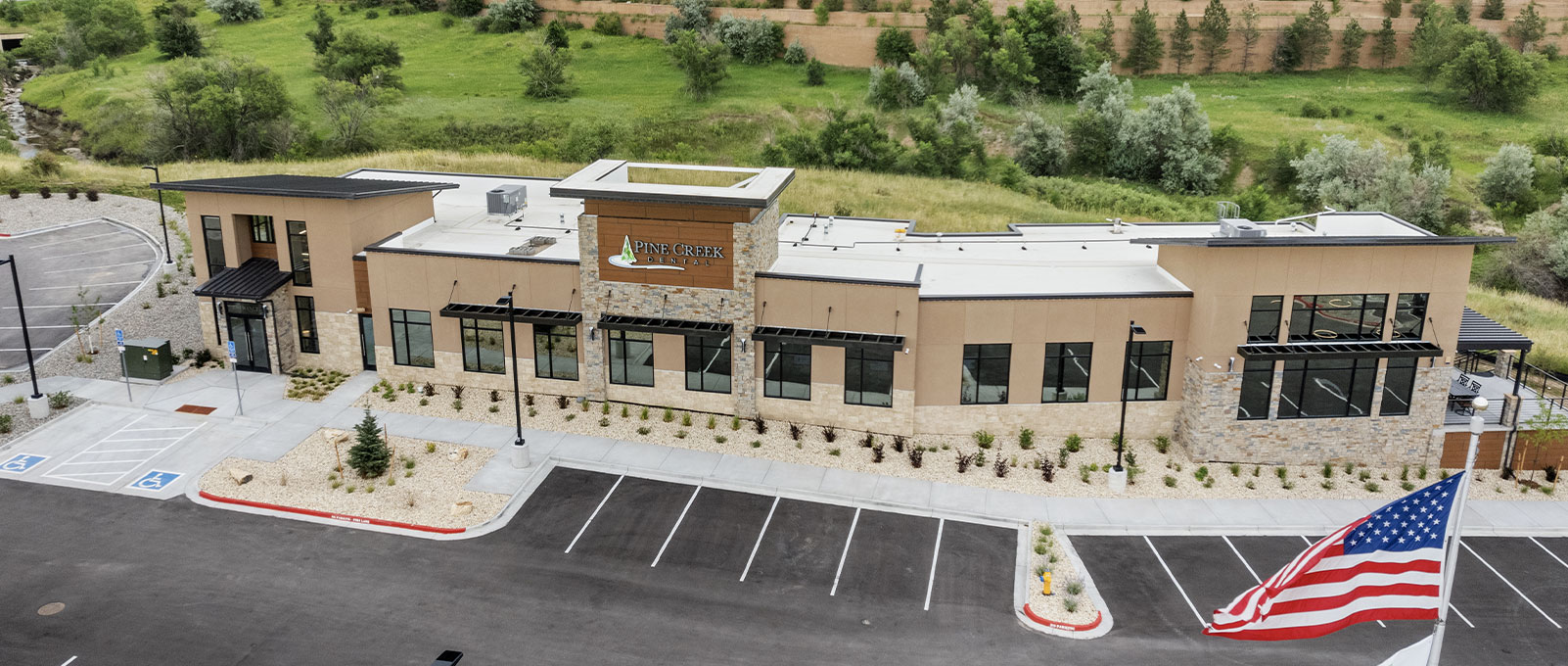 NEW Pine Creek Dental Office

If you feel a twinge when you chew or sip something cold, you’re not alone. Many people in Colorado Springs wonder if that discomfort signals simple sensitivity or a cracked tooth needing attention. At Pine Creek Dental, we prioritize your comfort and provide clear answers quickly. The first step is understanding what might be happening and when to seek professional help. Throughout this guide, we’ll discuss cracked teeth, what to look for, and how we care for you with gentle, personalized dental care.
Symptoms of a Cracked Tooth vs Sensitivity
Sensitivity often feels like brief discomfort to cold foods, air, or sweet drinks that fades quickly. A cracked tooth, however, can feel different. You might notice intermittent pain when chewing, sharp pain when releasing your bite, or a rough edge on the tooth. Sometimes, fine craze lines in the enamel are harmless, but deeper cracks may not be visible to the naked eye.
- Sensitivity: Quick zing to temperature that fades, no pain when chewing, often linked to exposed dentin or decay.
- Possible crack: Localized sharp pain, discomfort when biting or releasing, gum swelling near the tooth, and symptoms that come and go.
How to Tell if It’s a Cracked Tooth or Sensitivity
A careful exam is the safest way to determine the cause. Pay attention to symptoms like pain when chewing, a rough spot, or discomfort in a specific tooth. If symptoms persist, schedule a visit. Early detection protects your oral health and prevents further damage.
Why Do Cracks Happen?
Tooth structure can weaken for various reasons. Bad habits like clenching or chewing ice put stress on molars, especially mandibular molars that bear the most force. Large fillings, older materials, or decay can thin the tooth, making it more prone to cracks. Over time, small cracks can deepen due to heavy bites, temperature changes, or injuries.
There are different types of cracks:
- Craze lines: Shallow marks in enamel that usually don’t need treatment.
- Fractured cusp: A piece breaks off around a filling but spares the root.
- Cracked tooth: A crack runs from the chewing surface toward the gum line, sometimes extending the tooth’s length.
- Split tooth or vertical root fracture: Involves the root and periodontal ligament, requiring advanced care.
How We Identify the Problem
At Pine Creek Dental, we listen to your symptoms and gently test the affected tooth. We may use a bite test, tap teeth, and check for localized gum swelling. Digital X-rays, an intraoral camera, and advanced tools help us see beyond the surface, especially when cracks are hard to detect.
Early diagnosis is key. Our dentists may reference guidance from the American Association of Endodontists, including the “cracked tooth code,” to describe the crack and determine the best treatment. Some cracks have unknown depths, making careful observation and imaging essential. For complex cases, cone beam imaging may be used.
Cracked tooth syndrome can be tricky. Pain may come and go, making it hard to pinpoint the issue. Our goal is to identify the exact tooth, type of crack, and fracture depth. We explain findings step by step so you feel informed and comfortable.
Treatment Options Tailored to You
Our focus is to preserve your natural tooth whenever possible while ensuring your comfort. Treatment depends on the crack’s severity and type.
- CEREC same-day crown: For cracks involving the chewing surface but not the root, we can place a CEREC crown in one visit using CAD/CAM technology. This stabilizes the tooth and prevents further damage.
- Porcelain restorations: Minor cracks or fractured cusps may be treated with porcelain restorations or onlays, which reinforce the tooth with a natural look.
- Root canal therapy: If a crack reaches the pulp, root canal treatment may be needed to clean and seal the area. A crown often follows to protect the tooth.
- Tooth extraction: Severe cracks, like vertical root fractures, may require extraction. We provide comfortable options and discuss natural-looking replacements.
We review the best course of action with you, including benefits, timelines, and expectations. Our goal is effective treatment that supports your long-term oral health and minimizes the risk of tooth loss.
Is This a Dental Emergency?
Severe pain, swelling, or a broken tooth that moves when you bite can be a dental emergency. Call us immediately if you can’t chew on one side, see a visible break, or notice sudden gum swelling. Early diagnosis helps manage the crack before it worsens.
What You Can Do at Home
Until your visit, avoid chewing on the affected tooth or side of your mouth. Skip very cold foods and hard items like nuts or ice. Keep the area clean with gentle brushing and flossing. Over-the-counter pain relief can help, but contact us promptly to assess the crack and protect your tooth.
What to Expect at Pine Creek Dental
We treat our patients like family and guide you through every step. Your visit may include digital X-rays, a bite test, and a close look with our intraoral camera to assess the damage. If needed, we can place a CEREC crown the same day to stabilize the area. For root canal therapy or specialized care, we explain why and coordinate next steps with compassion.
We also discuss ways to prevent future issues, such as using a nightguard for clenching, addressing bad habits, or updating older restorations that compromise tooth structure. Small changes can protect your teeth and support lasting comfort.
How Often Should You Worry About a Quick Zing?
Occasional, fleeting sensitivity may not indicate a crack. However, repeated sharp pain in the same spot, discomfort when chewing, or lingering sensitivity are reasons to schedule an exam. Early detection helps keep your smile strong and comfortable.
Why Acting Early Matters
Cracks can worsen over time. Early intervention provides more treatment options and improves the chances of preserving your natural tooth. Waiting can allow the crack to deepen or bacteria to enter the root, leading to more complex treatment later.
With gentle, patient-first care and modern technology, Pine Creek Dental helps you navigate your options confidently. From CEREC crowns and porcelain restorations to thoughtful referrals for root canal treatment, we guide you toward the most comfortable, effective plan for your smile.
Ready for Clarity and Comfort?
If you suspect a cracked tooth or feel unsure about your symptoms, we’re here to help. Schedule a dental exam in Colorado Springs, and our friendly team will walk you through next steps, explain treatment options, and support your comfort every step of the way. Let’s protect your smile together and keep concerns about Cracked Teeth from disrupting your daily life.