
 Meet Dr. Bill Thompson
 Meet Dr. Ellie Cochran
 Meet Our Team
 NEW Pine Creek Dental Office
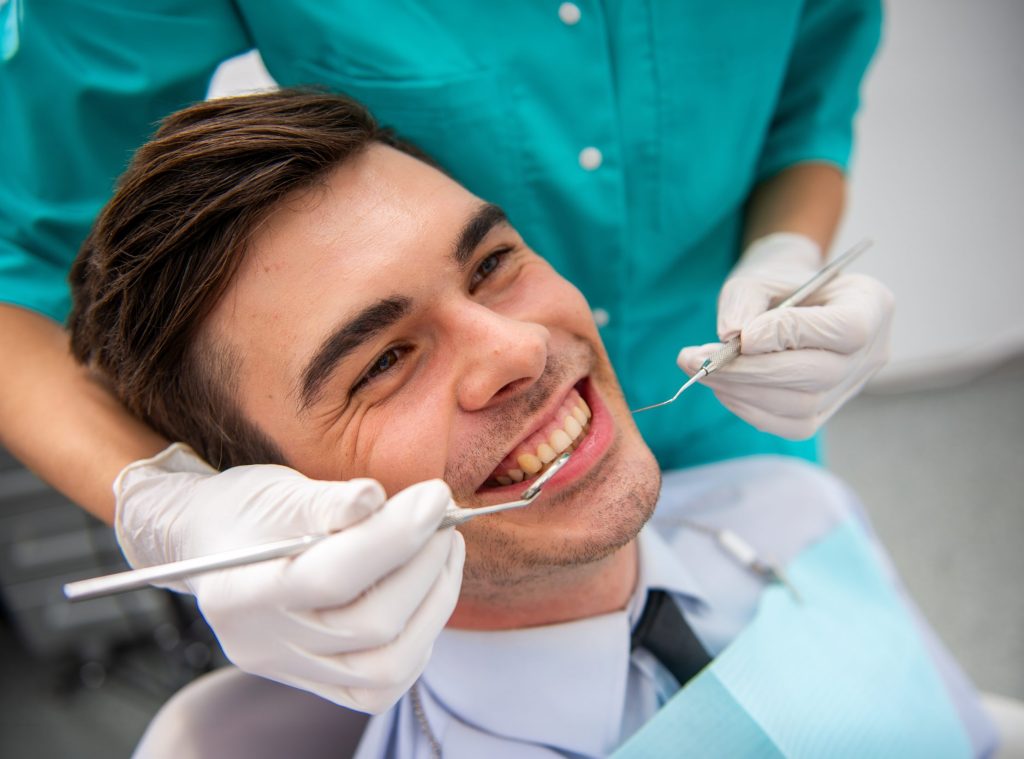
You leave your dental cleaning feeling proud, then take a sip of cold water and wince. If your teeth feel more sensitive after a cleaning, you’re not alone. At Pine Creek Dental, we hear this question often, and the good news is that post-cleaning sensitivity is usually temporary and manageable with the right steps.
In many cases, a simple in-office fluoride treatment can help calm that tender feeling and support stronger tooth enamel. In this article, we’ll explore why sensitivity can occur after a cleaning, what you can do at home, and how fluoride treatment benefits can improve your comfort and long-term oral health.
Why Do Teeth Feel Sensitive After a Cleaning?
After a professional cleaning, your teeth may feel extra responsive to cold air, hot coffee, or sweet foods. This happens because the sticky layer of plaque and surface buildup that covered parts of your teeth has been removed. While your enamel and gums are now cleaner and healthier, they can feel temporarily “exposed,” especially near the gumline.
If you already have tender areas, dry mouth, early signs of tooth decay, or a history of cavities, you may notice this sensitivity more. At Pine Creek Dental, we take time to discuss what you’re feeling and what your mouth needs next. Understanding the “why” helps you choose the most effective way to feel comfortable again.
Common Reasons for Post-Cleaning Sensitivity
A cleaning is designed to protect your dental health, but a few normal, short-term changes can create sensitivity afterward. Here are some common culprits:
- Plaque Removal: Plaque can act like a thin blanket over tooth enamel. Once it’s gone, cold and heat may travel to sensitive areas more easily for a short time.
- Gum Irritation: If there was inflammation or buildup near the gumline, your gums may feel irritated as they settle. This is especially common for those at higher risk for gum irritation or who’ve had longer gaps between visits.
- Weak Spots in Enamel: Early tooth decay or small weak spots in enamel can become more noticeable after a cleaning, even though the cleaning didn’t “cause” the problem.
Where Fluoride Fits Into Preventive Dentistry
Fluoride is widely used in preventive dentistry because it strengthens enamel and helps teeth resist acidic erosion that can lead to decay. Organizations like the American Dental Association support fluoride’s role in cavity prevention as part of a good oral hygiene routine.
At Pine Creek Dental, our fluoride treatment protects teeth against decay by applying high-concentration fluoride directly to each tooth. This encourages protective minerals to build up on the enamel surface. After a cleaning, when your teeth are freshly polished, they’re especially ready to absorb these minerals.
When patients ask about fluoride treatment benefits, we explain that fluoride strengthens enamel, reduces cavity risk, and can even help reverse early tooth decay.
Fluoride Treatment Benefits for Sensitivity and Cavity Risk
Sensitivity after a cleaning often overlaps with cavity risk factors. When enamel is stressed by acids, dry mouth, frequent snacking, or a history of cavities, teeth can feel touchy. Fluoride helps by reinforcing enamel so it can better handle daily wear and acidic challenges.
Here are some key fluoride treatment benefits:
- Strengthens tooth enamel, reducing sensitivity over time
- Lowers overall cavity risk, especially for high-risk patients
- Supports remineralization to combat early tooth decay
- Adds a layer of protection after cleanings, when teeth are extra fresh
- Complements fluoride toothpaste and good oral hygiene for a healthier smile
Fluoride benefits people of all ages. Treatments often start in childhood and continue through the teen years, but adults can also benefit, especially if they experience rapid tooth decay.
What Happens During a Fluoride Treatment?
Fluoride treatments are quick and simple. If you qualify, our dental hygienist applies fluoride every three to 12 months, depending on your needs. It’s often best to have fluoride applied after each cleaning.
At Pine Creek Dental, we offer two options:
- Gel or Varnish Application: A fluoride gel or varnish is gently applied to each tooth using a small rotating brush.
- Foam Treatment in a Tray: Foam fluoride is placed in a tray that fits in your mouth. You can choose your favorite flavor and relax for a few minutes.
You might hear terms like sodium fluoride or sodium fluoride varnish. These refer to common fluoride products selected for their safety and effectiveness based on your needs.
If you’re curious about fluoride treatment benefits for your smile, we’re happy to discuss it during your visit. Your comfort and confidence matter to us.
Fluoride at Home: Toothpaste, Rinses, and Drinking Water
In-office fluoride is one tool, but your home routine plays a big role in maintaining strong teeth. Using fluoride toothpaste provides consistent support, especially when paired with brushing and flossing.
Other sources of fluoride include:
- Drinking Water: Many public water supplies in the U.S. include fluoride.
- Mouth Rinses: Fluoride rinses offer additional support.
- Fluoride Supplements: These may be recommended by your dentist for specific needs.
Fluoride levels vary based on local water sources, so your dental team can help you find the right balance to avoid overexposure. For kids, we recommend practical guidelines, like using a toothpaste smear the size of a grain of rice for young children, to build habits that support healthy teeth.
Tips to Calm Sensitivity After a Cleaning
Sensitivity often fades quickly, and a few simple adjustments can help:
- Gentle Foods and Drinks: Avoid very cold drinks, hot coffee, and acidic beverages like orange juice for a day or two.
- Address Dry Mouth: Saliva protects enamel naturally, so if you feel dry, mention it at your next visit.
- Gentle Brushing: Stick to your oral hygiene routine, but brush carefully along the gumline and avoid aggressive scrubbing.
If sensitivity continues, ask your dentist whether additional fluoride support at home or regular in-office treatments could help.
Who May Need Professional Fluoride More Often?
Some patients benefit from extra cavity protection, even as adults. You may be a good candidate for more frequent fluoride care if you have:
- A history of cavities or repeated fillings
- Early signs of tooth decay or easily demineralized areas
- Dry mouth that affects oral health
- Orthodontic treatment that makes cleaning harder
- A higher cavity risk based on your health history or habits
We tailor recommendations to your needs because the best way to protect your smile depends on your mouth, routine, and goals.
When Should You Call Us About Sensitivity?
A little tenderness after a cleaning is normal, but you deserve peace of mind. If sensitivity feels intense, lasts longer than a few days, or comes with other issues like visible damage or pain when chewing, give us a call. Sensitivity can sometimes signal a tooth needs extra attention beyond preventive care.
We can also help you understand possible side effects of fluoride products, discuss appropriate amounts, and confirm whether your symptoms match normal post-cleaning sensitivity or something requiring treatment.
Ready to Protect Your Enamel and Feel Comfortable After Cleanings?
At Pine Creek Dental, we prioritize your comfort and provide clear options. If you’ve noticed sensitivity after cleanings, ask us whether a fluoride treatment could help. Many patients appreciate the added protection, and the long-term fluoride treatment benefits can support a brighter, healthier smile.
Schedule an appointment today.