
 Meet Dr. Bill Thompson
 Meet Dr. Ellie Cochran
 Meet Our Team
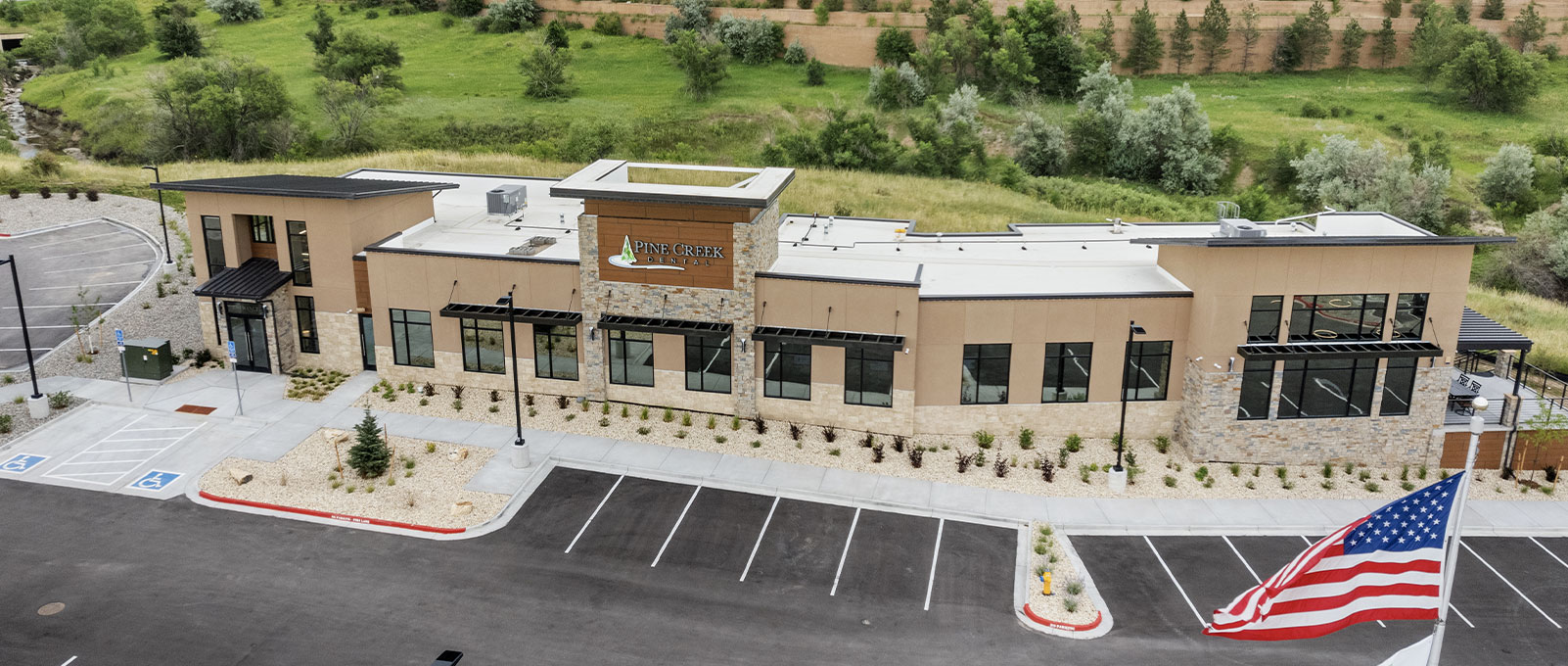 NEW Pine Creek Dental Office
Same-Day Treatment in Colorado Springs

Dental emergencies can happen unexpectedly and often bring severe pain, stress, and uncertainty. At Pine Creek Dental, Dr. Bill Thompson, DDS, Dr. Ellie Cochran, DDS, and our caring team provide emergency dentistry in a calm, welcoming environment focused on restoring comfort quickly and protecting your oral health.
Whether you are experiencing severe tooth pain, a cracked tooth, facial swelling, or another urgent dental issue, our Colorado Springs team is here to provide prompt professional care and personalized treatment recommendations. We serve patients throughout Colorado Springs, Fountain, Monument, Falcon, and the surrounding Pikes Peak region.
If you are experiencing serious trauma, uncontrolled bleeding, trouble breathing, or a life-threatening emergency, call 911 or visit your nearest emergency room immediately.
What Counts as a Dental Emergency?
A dental emergency is any dental problem that requires immediate attention to relieve severe pain, stop bleeding, treat infection, or prevent further damage. Prompt treatment can improve comfort, protect your permanent tooth, and reduce the risk of serious infection or tooth loss.
Common dental emergencies include:
- Severe tooth pain or toothache
- Cracked or chipped tooth
- Facial swelling
- Lost filling or damaged dental restoration
- Broken dental crown
- Soft tissue injuries involving the lips, tongue, cheeks, or gums
- Persistent bleeding
- Dental injuries from falls or accidents
- Signs of infection near the gums or tooth roots
- Severe sensitivity or pain when chewing
If you are unsure whether your dental issue requires urgent care, contact Pine Creek Dental for guidance. Our team can help determine the best next steps for your situation and may be able to get you in the office the same day.
Emergency Dentistry for Severe Tooth Pain
Finding the Underlying Cause of Dental Pain
Severe tooth pain can interfere with eating, sleeping, and daily activities. Tooth pain often signals an underlying issue that requires professional attention, such as tooth decay, gum disease, infection, cracked teeth, or damage to the inner tooth structure.
Dr. Bill Thompson, DDS and Dr. Ellie Cochran, DDS carefully evaluate the affected area to identify the underlying cause of discomfort and recommend the most appropriate treatment for long-term relief.
Treatment options may include:
- Root canal therapy
- Tooth extraction
- Dental fillings
- Dental crowns
- Treatment for gum disease
- Emergency dental care for infection or swelling
Ignoring severe tooth pain may increase the risk of further damage, serious infection, or tooth loss.
Temporary Relief Before Your Appointment
While waiting for your emergency dental appointment, these steps may help reduce discomfort:
- Rinse gently with warm water or a saltwater rinse
- Apply a cold compress to reduce facial swelling
- Use an over-the-counter pain reliever as directed
- Avoid chewing near the painful area
- Keep food particles away from the affected tooth
Some patients ask about home remedies such as clove oil, thyme essential oil, hydrogen peroxide rinse, or other essential oil treatments because of their antibacterial properties. While these options may provide temporary relief, they are not substitutes for professional dental care. Persistent ache, swelling, or severe pain should always receive professional attention.
Cracked Teeth and Chipped Teeth
Prompt Care Helps Prevent Further Damage
A cracked tooth or chipped tooth can occur from sports injuries, falls, chewing hard foods, or untreated tooth decay. Even small cracks can expose sensitive inner structures and increase the risk of infection.
Symptoms may include:
- Sharp pain when biting
- Tooth sensitivity
- Swelling near the gum line
- Sharp edges on the tooth
- Severe tooth pain when chewing
Treatment recommendations depend on the severity of the damage and may include dental bonding, dental crowns, root canal treatment, or tooth extraction if the tooth cannot be saved.
Until your appointment, rinse gently with warm water, avoid chewing on the injured side, and cover sharp edges with dental cement if available.
Facial Swelling and Signs of Infection
Dental Infections Require Immediate Attention
Facial swelling, pressure, or throbbing pain can indicate a serious infection involving the tooth roots, gums, or surrounding tissues. Dental infections should never be ignored because they can spread and affect overall health.
Signs of infection may include:
- Facial swelling
- Severe tooth pain
- Fever
- Swollen gums
- Persistent bad breath
- Swollen lymph nodes
- Painful pressure near the affected area
Treatment may include root canal therapy, drainage of infection, medication, or additional emergency care depending on the severity of the problem. Applying a cold compress may help reduce swelling temporarily before your appointment.
Lost Fillings, Crowns, and Dental Restorations
A lost filling or damaged dental restoration can expose sensitive tooth structure and increase the risk of tooth decay or discomfort. Patients often notice sensitivity to temperature, pain when biting, or sharp edges after a restoration becomes loose.
Temporary steps before your appointment may include:
- Rinsing with warm water
- Avoiding sticky or hard foods
- Using clean gauze or a cotton ball to protect irritated tissue
- Applying temporary dental cement if available
Prompt professional attention helps reduce the risk of additional damage and discomfort.
Soft Tissue Injuries and Dental Trauma
Dental injuries can affect the lips, gums, tongue, cheeks, and surrounding soft tissue. Sports injuries, falls, and accidents are common causes of oral trauma.
For minor bleeding:
- Apply clean gauze gently to the area
- Use a cold compress to reduce swelling
- Rinse gently with salt water
A moist tea bag may also help slow minor bleeding because the tannins can support blood vessel constriction temporarily.
For severe bleeding, major facial trauma, or medical emergencies, seek care at the nearest emergency room immediately.
Preventive Measures to Reduce Dental Emergencies
While some dental emergencies happen unexpectedly, preventive care can help reduce your risk of urgent dental problems. At Pine Creek Dental, we encourage patients to:
- Schedule regular checkups and cleanings
- Maintain strong oral hygiene habits
- Treat tooth decay early
- Address gum disease promptly
- Wear a mouthguard during sports
- Avoid chewing hard objects or ice
- Seek professional care when symptoms first appear
Routine dental care allows our team to identify dental issues early and support long-term dental health.
Why Choose Pine Creek Dental for Emergency Dentistry in Colorado Springs?
At Pine Creek Dental, we understand that dental emergencies feel stressful and uncomfortable. Our team focuses on helping patients feel informed, supported, and comfortable throughout treatment.
Patients throughout Colorado Springs, Fountain, Monument, Falcon, and the Pikes Peak region trust Pine Creek Dental because we provide:
- Same-day emergency appointments when available
- Compassionate, patient-focused treatment
- Advanced dental technology
- Comprehensive dental services
- Honest communication and personalized care
- A welcoming and relaxed office environment
Dr. Bill Thompson and Dr. Ellie Cochran work carefully to diagnose the problem, relieve discomfort, and restore oral health as efficiently as possible.
Local Emergency Dental Care When You Need It Most
Unexpected dental problems can disrupt your day, making it important to have a trusted dental office nearby when urgent concerns arise. Pine Creek Dental is proud to provide emergency dental care for individuals and families throughout the Colorado Springs area, offering a convenient location and a team dedicated to helping patients navigate unexpected oral health situations.
We regularly welcome patients from:
- North Colorado Springs
- Briargate
- Monument
- Black Forest
- Northgate
- Gleneagle
- Falcon
- Academy District Communities
Whether you’re commuting from a neighboring community or live right here in Colorado Springs, our office is easily accessible for patients seeking professional dental care. Dr. Bill Thompson, Dr. Ellie Cochran, and the Pine Creek Dental team are committed to creating a positive patient experience by providing clear guidance, personalized attention, and support throughout every stage of care.
Frequently Asked Questions About Emergency Dentistry in Colorado Springs, CO
What should I do if I have severe tooth pain in Colorado Springs?
Rinse gently with warm water, avoid chewing near the affected area, and apply a cold compress if swelling is present. Call Pine Creek Dental as soon as possible for same-day emergency care when available.
How much does emergency dental care cost in Colorado Springs?
The cost of emergency dental care at Pine Creek Dental depends on the type of treatment needed and your insurance coverage. Our team will review your benefits and discuss all costs before treatment begins.
Can a cracked tooth heal on its own?
No. A cracked tooth requires professional attention to prevent infection, worsening damage, or severe pain. Early treatment improves the likelihood of saving the tooth.
Should I go to the emergency room for a dental emergency?
Most non-life-threatening dental emergencies should be treated by an emergency dentist rather than a hospital ER. For severe trauma, uncontrolled bleeding, trouble breathing, or life-threatening injuries, visit the emergency room or call 911 immediately.
What can I do if a filling falls out?
Keep the area clean, avoid chewing on the affected tooth, and contact Pine Creek Dental promptly. Temporary dental cement may help protect the tooth until your appointment.
How can I reduce the risk of dental emergencies?
Regular checkups, good oral hygiene, prompt treatment of dental issues, and wearing a mouthguard during sports all help reduce the risk of dental emergencies.
Contact Pine Creek Dental for Emergency Dental Care in Colorado Springs
Dental emergencies can feel overwhelming, but prompt care can help protect your comfort and oral health. At Pine Creek Dental, Dr. Bill Thompson, Dr. Ellie Cochran, and our experienced team provide emergency care for patients throughout Colorado Springs, Fountain, Monument, Falcon, and the surrounding Pikes Peak region.
Whether you are dealing with severe tooth pain, facial swelling, a cracked tooth, or another urgent dental issue, we are here to help.
Call us at (719) 268-9400 for same-day emergency care when available.